saltar al contenido
Características clave para el mercado de repuestos automotrices
Para distribuidores, mayoristas, minoristas, y otros profesionales del mercado de repuestos automotrices, elegir un amortiguador no es simplemente una cuestión de encontrar una pieza que se ajuste. Consistencia del producto, calidad de los componentes, estabilidad de amortiguación, durabilidad, y la precisión de la aplicación afectan la satisfacción del cliente a largo plazo y la repetición de negocios..
Un amortiguador fiable combina componentes internos cuidadosamente controlados con procesos de fabricación estables.. En esta guía, Analizamos varios de los detalles técnicos más importantes y explicamos qué deben considerar los compradores del mercado de repuestos al adquirir amortiguadores para su mercado..
Por qué es importante la calidad del amortiguador
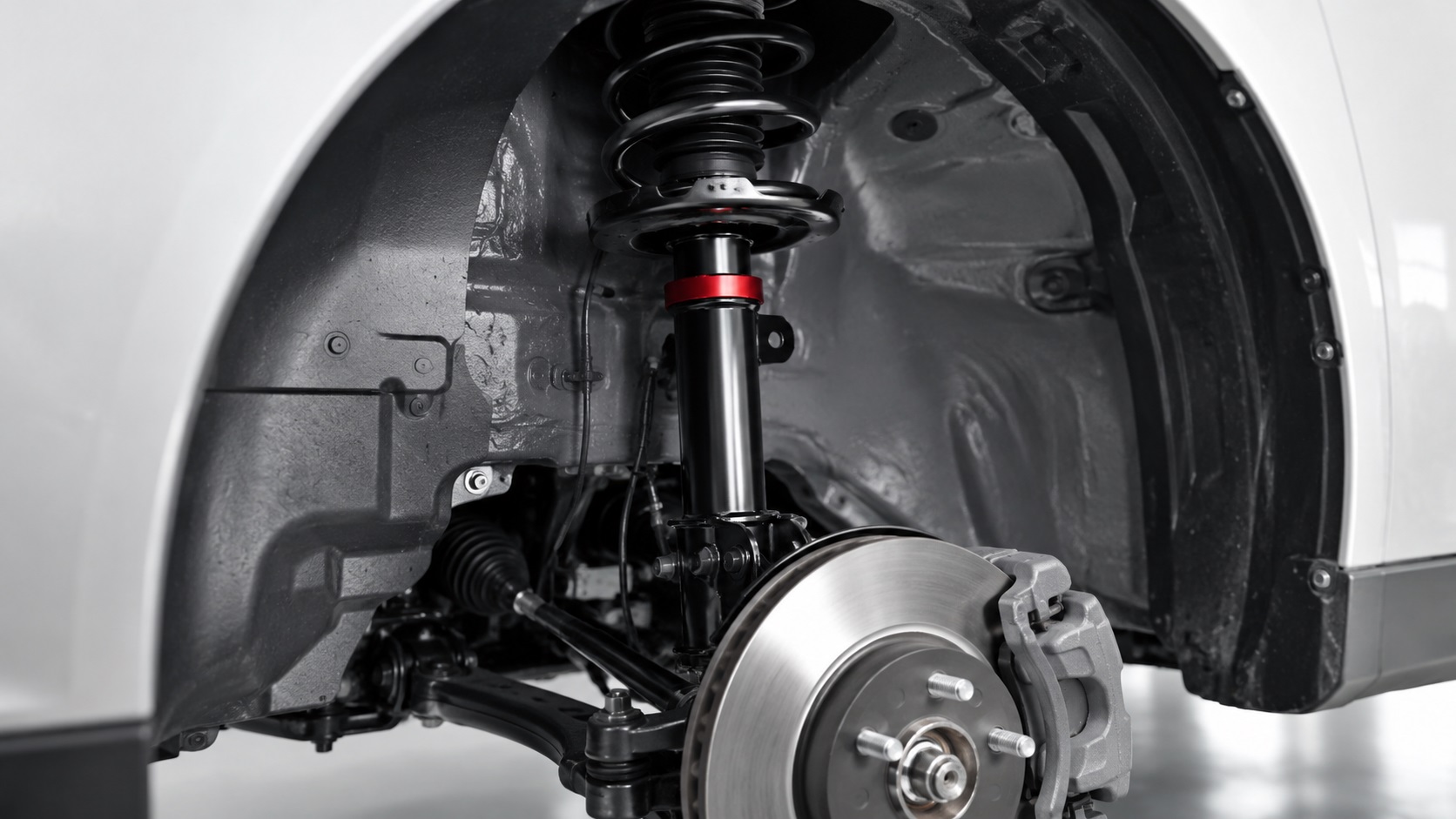
Los amortiguadores controlan el movimiento de la suspensión del vehículo convirtiendo el movimiento de la suspensión en resistencia hidráulica.. Su rendimiento influye en la eficacia con la que la suspensión gestiona el movimiento de la carrocería., mantiene los neumáticos en contacto con la carretera, y responde a las condiciones cambiantes de la carretera.
en el mercado de accesorios, La amortiguación inconsistente o el desgaste prematuro pueden generar retornos., reclamaciones de garantía, y daño a la reputación de un distribuidor. Por esa razón, Los compradores profesionales deben mirar más allá del precio y el equipamiento.. La calidad del vástago del pistón., superficie del cilindro, sistema de sellado, válvula interna, y la consistencia de la fabricación merecen atención.
1. El rendimiento de amortiguación estable comienza con el diseño interno
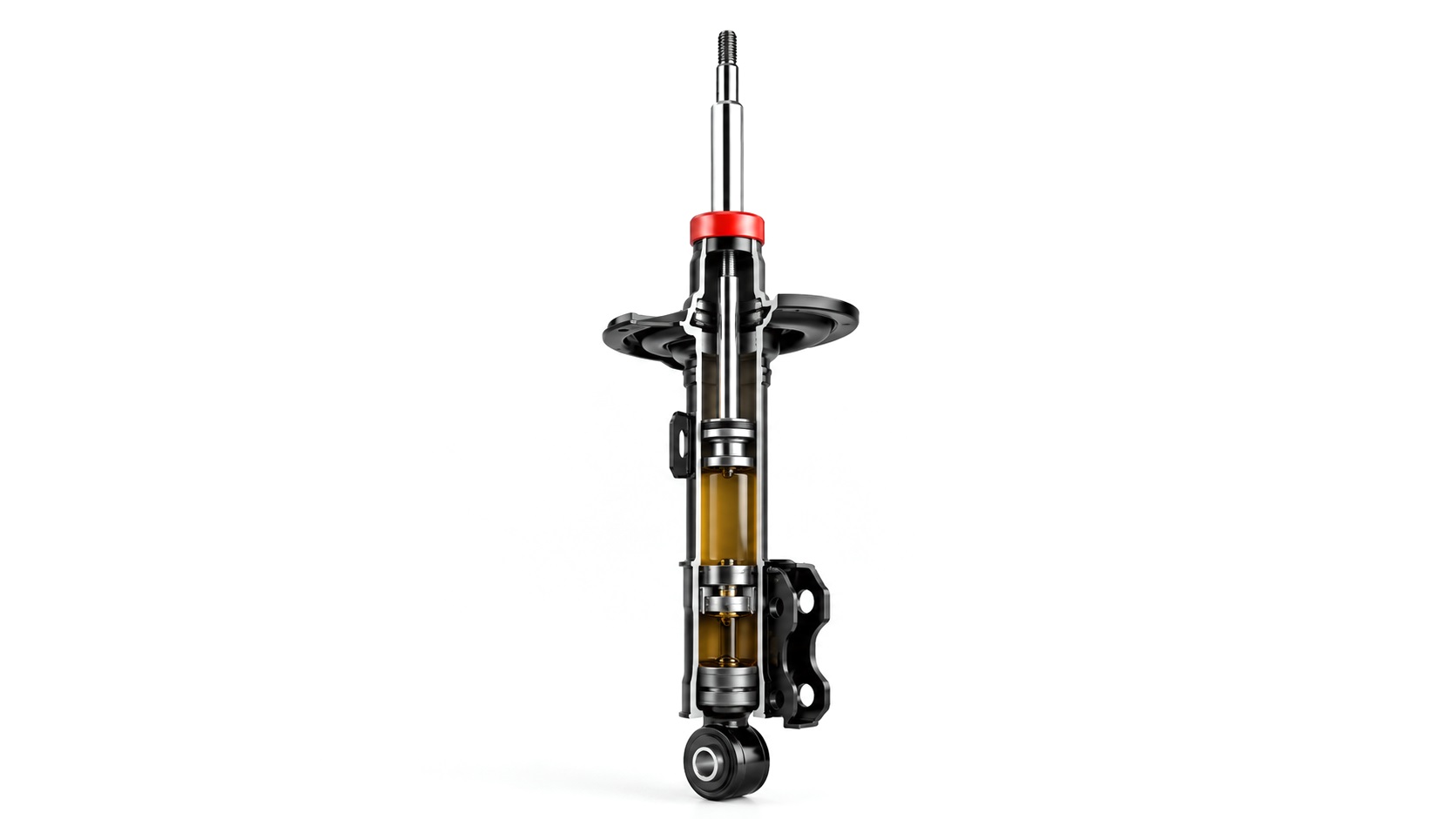
Dentro de un amortiguador hidráulico, El pistón se mueve a través del aceite mientras los conductos y válvulas calibrados controlan el flujo de fluido.. La resistencia resultante es lo que crea la fuerza de amortiguación que ayuda a controlar el movimiento de la suspensión.. Por lo tanto, el rendimiento estable depende en gran medida del diseño y la consistencia del sistema hidráulico interno..
Diseño cargado de gas y estabilidad de amortiguación
Dependiendo del diseño y aplicación del amortiguador, Se puede utilizar gas nitrógeno presurizado para ayudar a controlar la aireación del aceite y respaldar una amortiguación más consistente durante la operación repetida.. La reducción de la formación de espuma y la cavitación ayuda al sistema hidráulico a mantener una respuesta más predecible bajo cargas de suspensión cambiantes..
Para compradores del mercado de repuestos, El punto clave no es simplemente si un producto se describe como "cargado de gas".,"Pero si la especificación de amortiguación es estable y repetible en todos los lotes de producción y apropiada para la aplicación prevista del vehículo..
Durabilidad y rango de operación
Las pruebas de durabilidad ayudan a evaluar el rendimiento de los componentes después de ciclos repetidos de compresión y rebote.. Para los modelos de amortiguadores COWTOTAL aplicables, Los objetivos de durabilidad pueden incluir pruebas de hasta 6 millones de ciclos, mientras que los rangos de temperatura de funcionamiento especificados pueden extenderse de -30 °C a 120 °C. Los valores exactos siempre deben confirmarse mediante el número de pieza y la aplicación..
Esto es importante para los distribuidores que atienden mercados con diferentes climas y entornos viales.. Un producto que se mantiene constante a pesar de los cambios de temperatura y los movimientos repetidos puede ayudar a reducir la pérdida prematura de rendimiento y los problemas posventa..
2. Componentes de precisión: Superficie del vástago del pistón y del cilindro
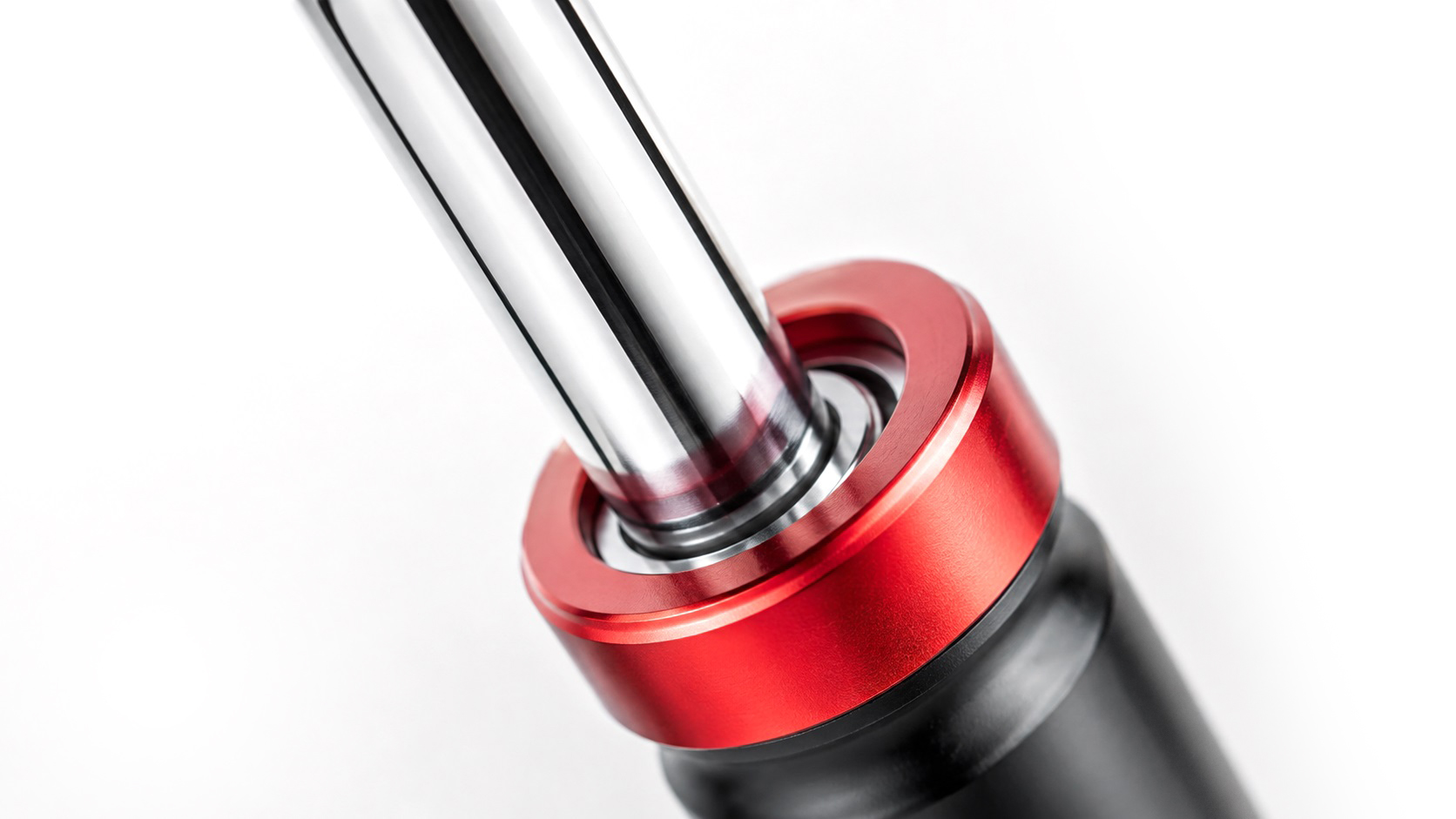
El vástago del pistón es uno de los componentes de precisión más visibles de un amortiguador.. Se mueve repetidamente a través del sistema de sellado., tan acabado superficial, rectitud, resistencia a la corrosión, y la resistencia al desgaste afectan directamente el rendimiento del sellado a largo plazo.
Vástago de pistón cromado
Un super terminado, El vástago del pistón cromado proporciona un suave, Superficie resistente al desgaste al tiempo que ayuda a proteger contra la corrosión.. Un acabado superficial estable reduce la abrasión innecesaria contra el sello de aceite y ayuda a que la varilla se mueva suavemente durante la compresión y el rebote..
Para mayoristas y distribuidores, Este detalle es importante porque los defectos superficiales que pueden parecer menores durante la inspección pueden contribuir al desgaste del sello., fuga de aceite, y vida útil reducida con el tiempo.
Superficie del cilindro con acabado de precisión
La superficie interna del cilindro también afecta el movimiento del pistón y la consistencia hidráulica.. Una superficie con acabado de precisión ayuda a reducir la fricción y favorece el funcionamiento suave de los componentes internos.. Donde se especifica, un objetivo de rugosidad superficial como Ra ≤ 0.4 μm se puede utilizar como punto de control de fabricación para el componente o proceso relevante.
La conclusión práctica del B2B es la coherencia: Los compradores deben buscar proveedores que controlen los procesos de mecanizado y acabado en lugar de depender únicamente de la apariencia de una muestra terminada..
3. Sellado de aceite confiable para mayor durabilidad
El retén de aceite tiene dos funciones esenciales: retener el fluido hidráulico dentro del amortiguador y limitar la entrada de polvo, humedad, y otros contaminantes. Debido a que el vástago del pistón se mueve a través del sello continuamente, La interfaz de sellado debe equilibrar una baja fricción con un contacto confiable y resistencia al desgaste..
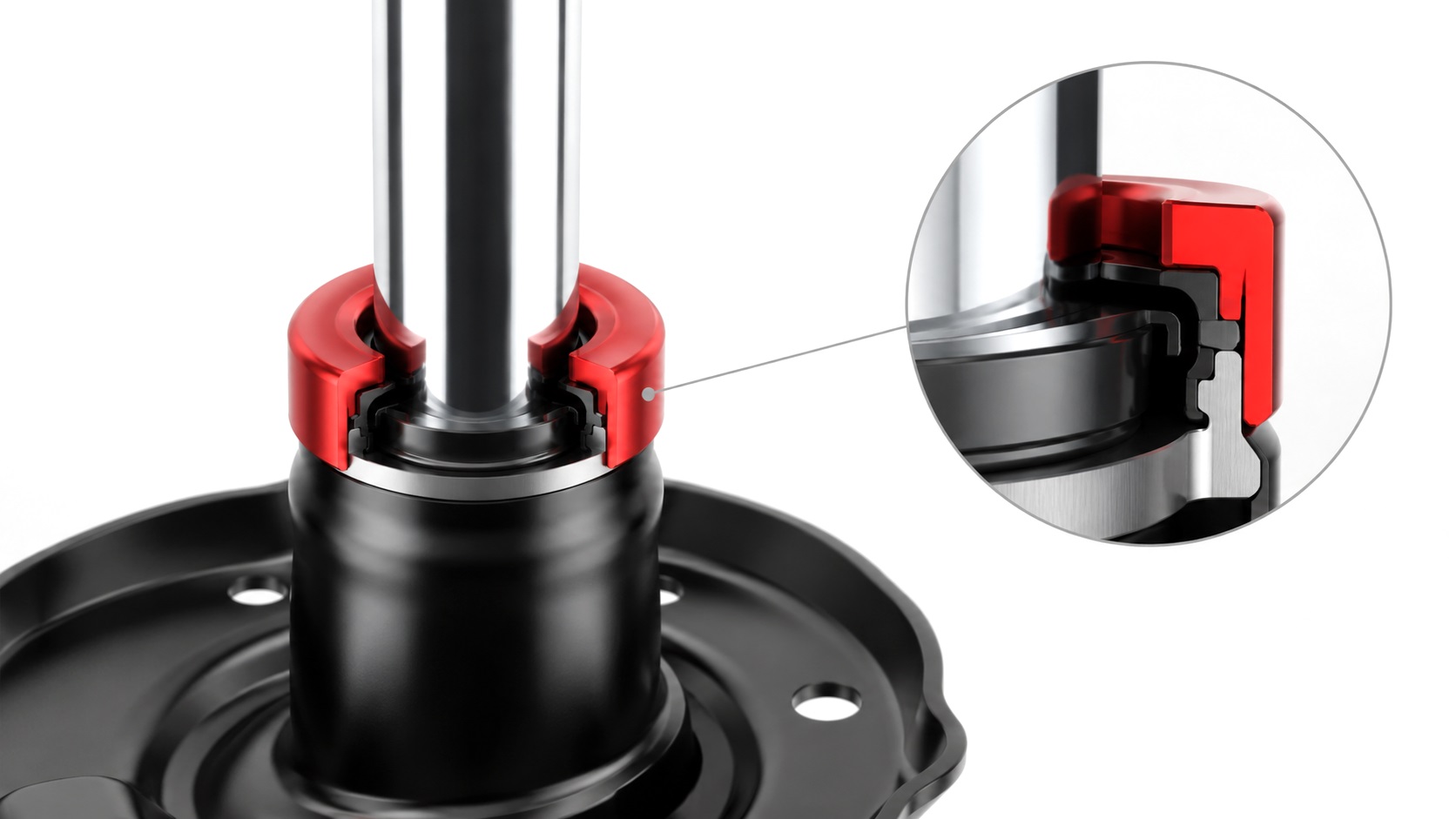
Una alta durabilidad, El sello de aceite resistente al desgaste puede ayudar a reducir el riesgo de fugas prematuras y mantener el rendimiento hidráulico durante un período de servicio más prolongado.. La calidad del sellado también depende de los materiales compatibles., dimensiones precisas, acabado superficial, y control de montaje.
Para negocios de posventa, La fuga de aceite es uno de los síntomas de falla más visibles que un cliente puede encontrar.. Por lo tanto, el rendimiento constante del sellado tiene un impacto directo en la exposición a la garantía y la confianza en la marca..
4. Válvulas de etapas múltiples para un rendimiento de amortiguación estable
La amortiguación del amortiguador no se crea mediante una única restricción fija. Durante la operación, La velocidad del pistón cambia constantemente., y el sistema de válvulas debe controlar el flujo de aceite en una variedad de movimientos de suspensión.. Un diseño de válvula de etapas múltiples puede ayudar a ajustar la relación entre el movimiento del pistón de baja y alta velocidad para que el amortiguador entregue control, amortiguación predecible.
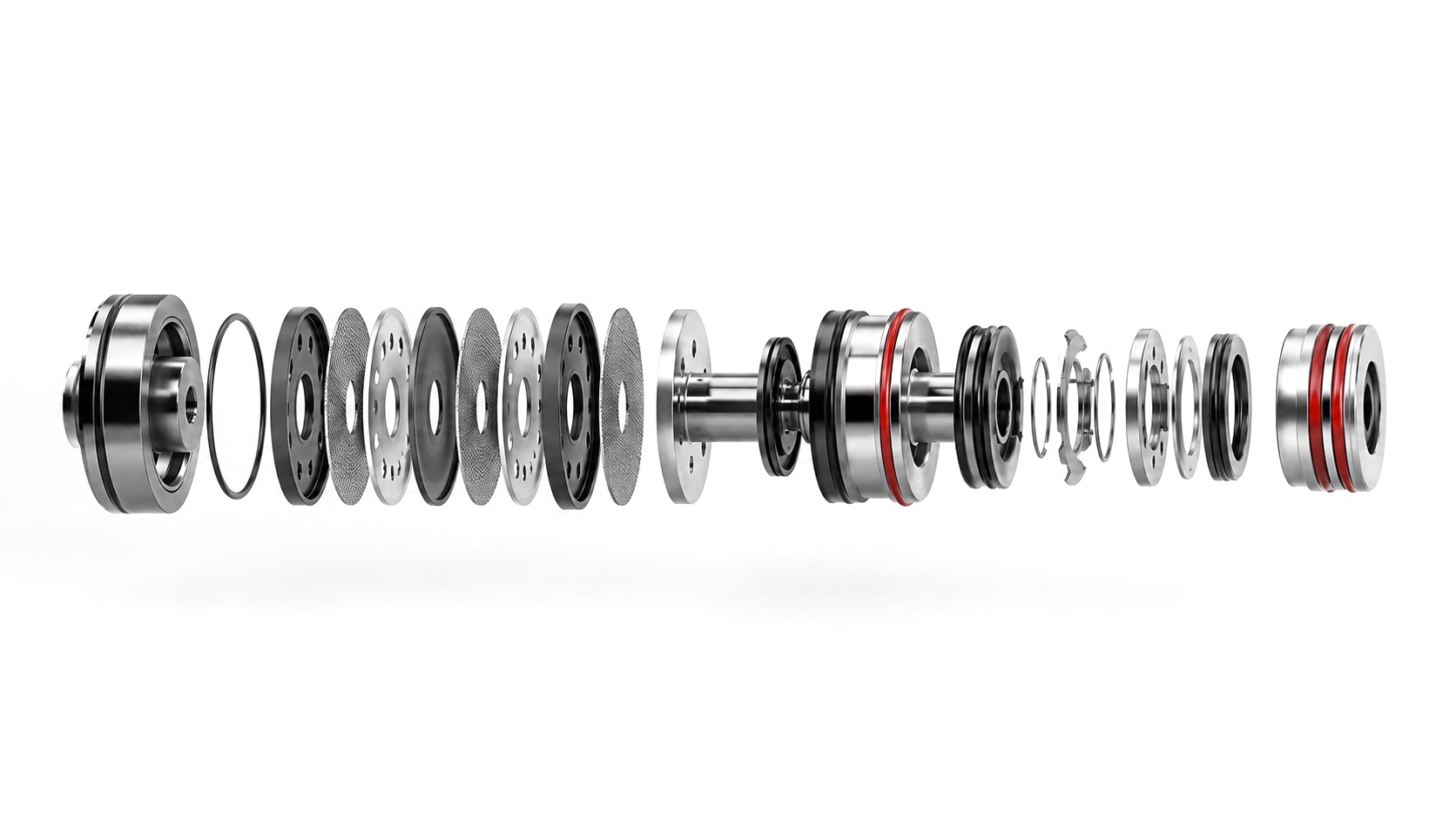
Para compradores B2B, el factor importante es la calibración específica de la aplicación. Un amortiguador puede adaptarse físicamente a un vehículo y aun así ofrecer un rendimiento deficiente si las características de amortiguación interna no son apropiadas.. Esta es la razón por la que la precisión de las referencias de equipo original y la coincidencia de las aplicaciones del vehículo siguen siendo esenciales en el abastecimiento profesional..
5. Lo que los compradores del mercado de repuestos deben considerar al adquirir amortiguadores
El diseño técnico es sólo una parte de un programa de posventa exitoso. Los distribuidores y mayoristas también necesitan un proveedor que pueda respaldar la consistencia del producto., gestión de aplicaciones, y cumplimiento de pedidos confiable.
Calidad constante en todos los lotes
Una buena muestra es útil., pero la repetibilidad es más importante para compras a largo plazo.. Pregunte cómo controla el proveedor los materiales entrantes., mecanizado, asamblea, rendimiento de amortiguación, caza de focas, e inspección final. La coherencia entre lotes ayuda a reducir la variación en el campo y facilita la gestión de las garantías y las expectativas de los clientes..
Referencia precisa de OE y coincidencia de aplicaciones
Los amortiguadores dependen en gran medida de la aplicación. Posición, diseño de montaje, dimensiones, calibración de amortiguación, y la plataforma del vehículo son importantes. Por lo tanto, el abastecimiento profesional debe basarse en referencias precisas de OE y aplicaciones de vehículos verificadas en lugar de solo en la apariencia..
Cobertura de aplicaciones para el mercado objetivo
La gama de productos ideal de un distribuidor depende de la población de vehículos en su mercado.. En lugar de llevar SKU innecesarios, Los compradores pueden priorizar aplicaciones de alta demanda y ampliar la cobertura según los datos de ventas., marcas de vehículos locales, y frecuencia de reemplazo.
Gestión fiable del suministro y del plazo de entrega
Para mayoristas e importadores, La oferta estable puede ser tan importante como el precio unitario.. Disponibilidad del producto, plazo de producción, opciones de embalaje, y la consolidación de pedidos afectan la planificación del inventario y el flujo de caja.. Un proveedor que se comunica claramente y admite pedidos repetidos puede ayudar a reducir la incertidumbre en las compras..
Soporte de proveedores
El soporte útil del proveedor incluye verificación de OE, asistencia del catálogo de productos, preparación de cotizaciones, confirmación de la solicitud, discusión sobre empaque, y comunicación postventa. Estos servicios pueden ahorrar tiempo a los compradores que gestionan listas de compras grandes o mixtas..
6. Soluciones de amortiguadores COWTOTAL
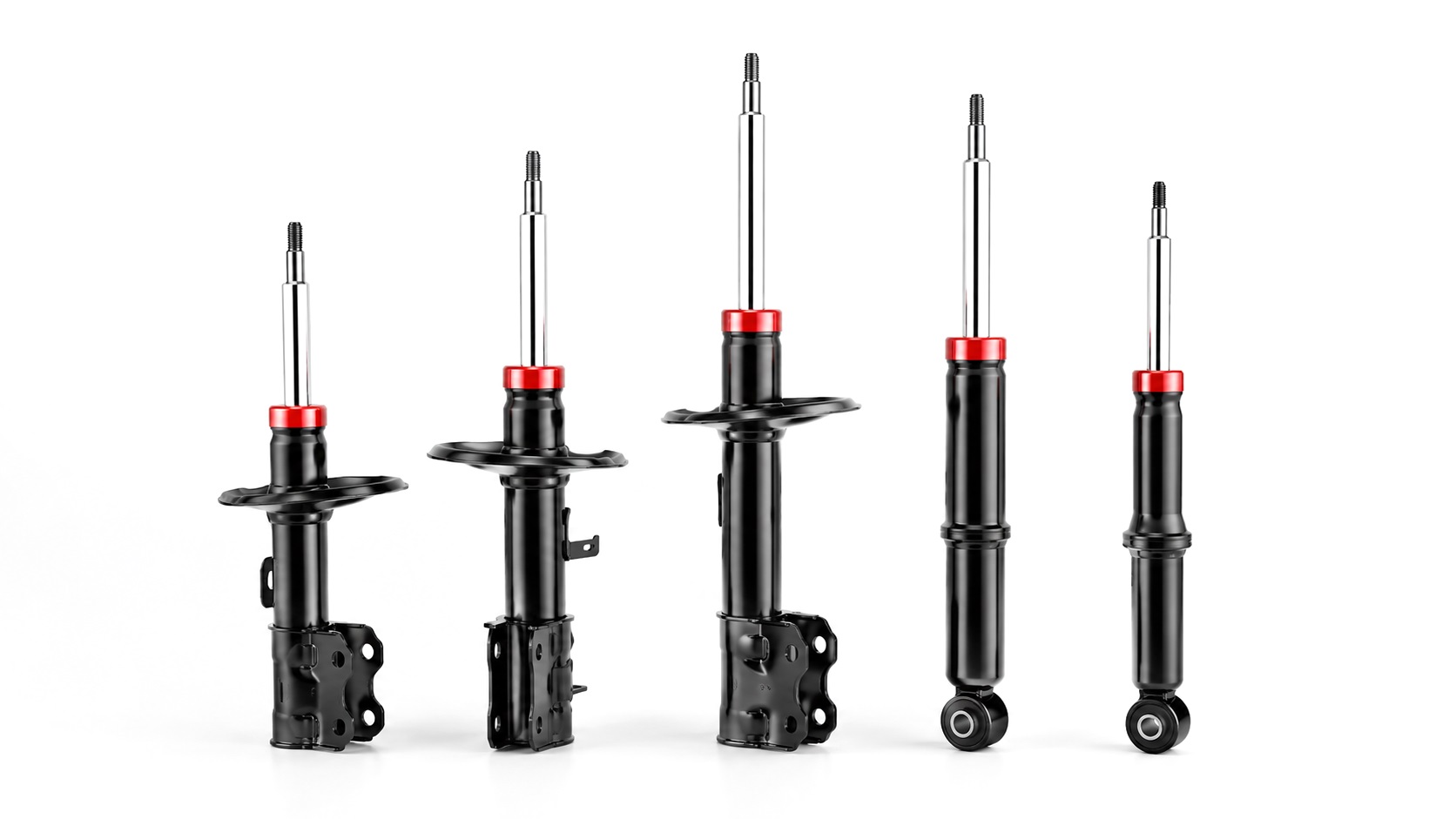
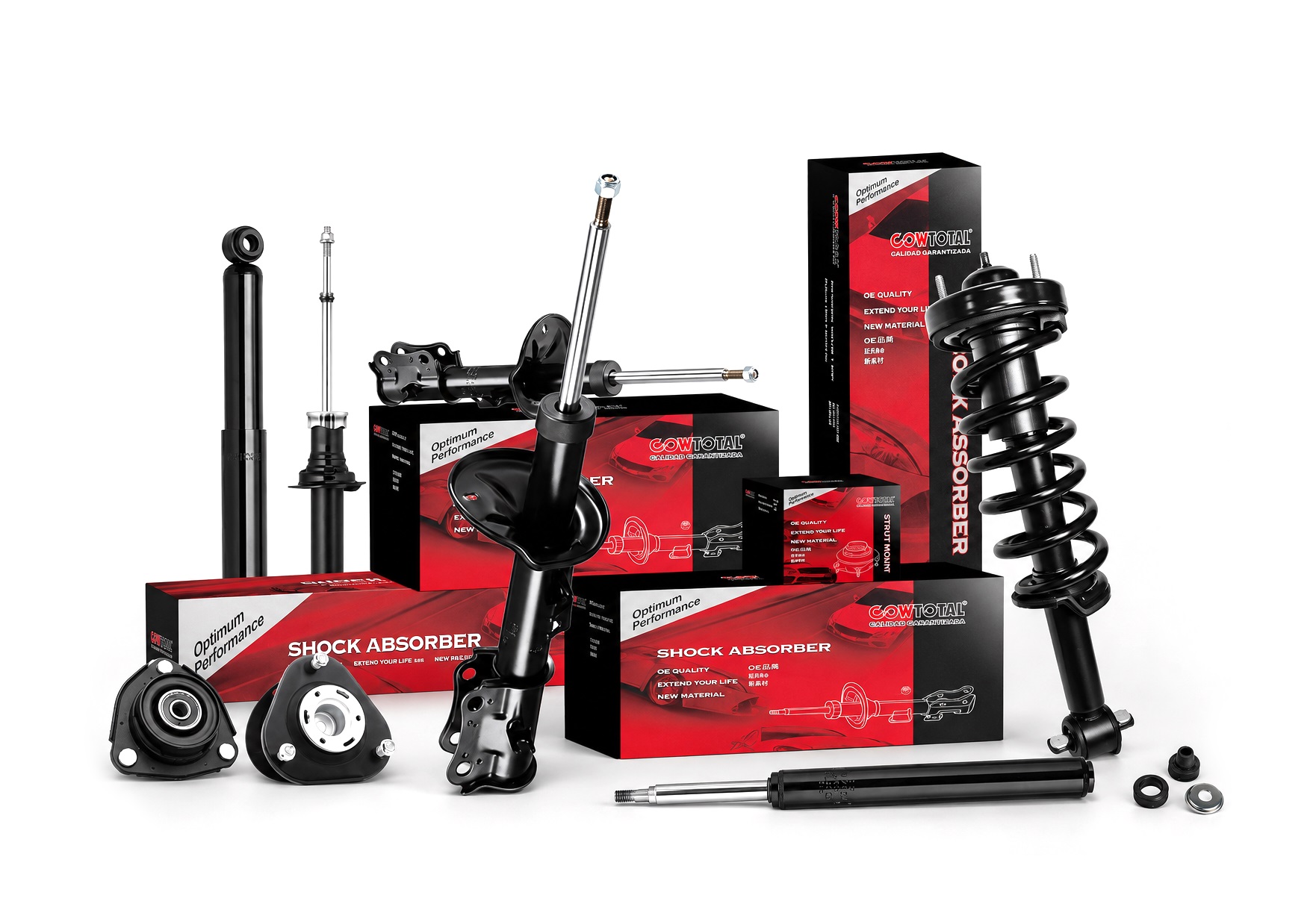
COWTOTAL suministra amortiguadores de posventa para una amplia gama de aplicaciones de vehículos. Nuestro objetivo es apoyar a las empresas del mercado de repuestos automotrices con productos de calidad confiable., selección basada en aplicaciones, y servicio B2B responsivo.
Si eres distribuidor, mayorista, detallista, importador, o vendedor de comercio electrónico, Nuestro equipo puede ayudarle a revisar su lista de OE y sus requisitos de compra., consultar aplicaciones disponibles, y preparar una cotización basada en las necesidades de su mercado.
Preguntas más frecuentes
¿Cuáles son los principales componentes que afectan la calidad del amortiguador??
Los factores clave incluyen la superficie del vástago del pistón., acabado del cilindro, sello de aceite, aceite hidráulico, sistema de pistones y valvulas, componentes de montaje, y la coherencia del proceso de fabricación e inspección..
¿Por qué es importante la calidad de la superficie del vástago del pistón??
El vástago del pistón pasa repetidamente a través del sistema de sellado.. Un suave, resistente a la corrosión, La superficie resistente al desgaste ayuda a reducir la abrasión del sello y respalda un rendimiento de sellado confiable a largo plazo..
¿Qué deben comprobar los distribuidores antes de comprar amortiguadores??
Confirmar referencias OE y aplicaciones de vehículos., revisar las especificaciones del producto, comprender el proceso de control de calidad del proveedor, comprobar la cantidad del pedido y el tiempo de entrega, y asegúrese de que el proveedor pueda admitir pedidos repetidos y requisitos de aplicaciones mixtos.
¿Se puede utilizar una especificación de amortiguador para varios vehículos??
Sólo cuando las aplicaciones estén debidamente verificadas.. Los amortiguadores de apariencia similar pueden diferir en las dimensiones de montaje, ataque, características de amortiguación, y posición del vehículo, por lo que los compradores deben confiar en los datos de aplicación y OE validados.