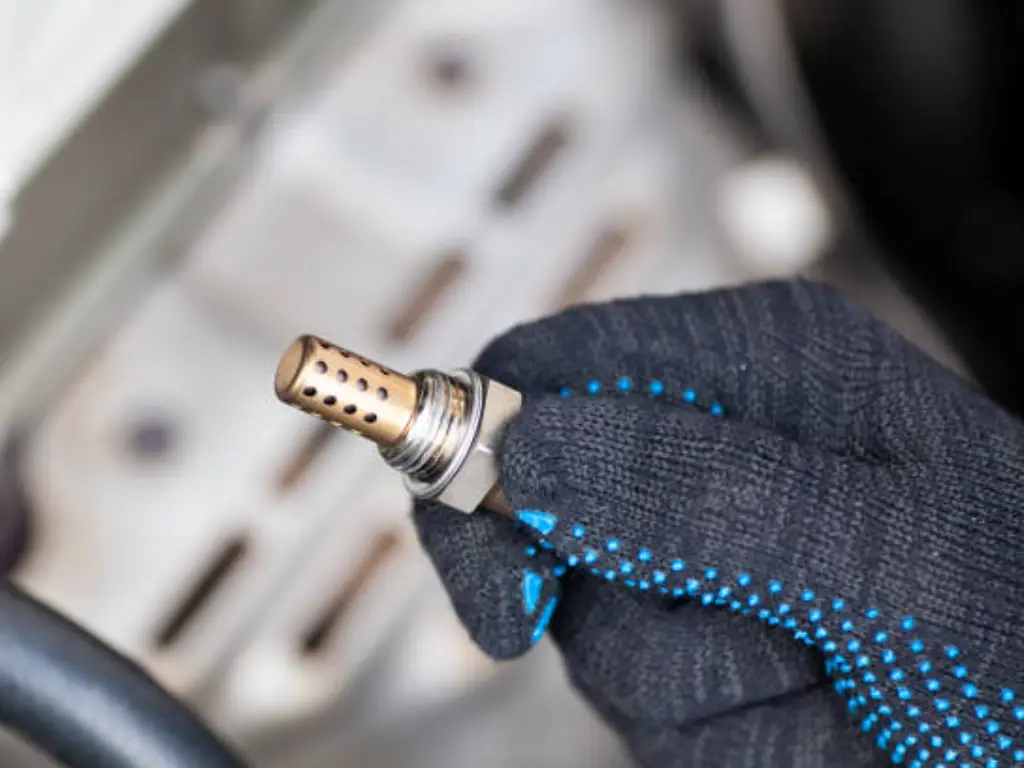
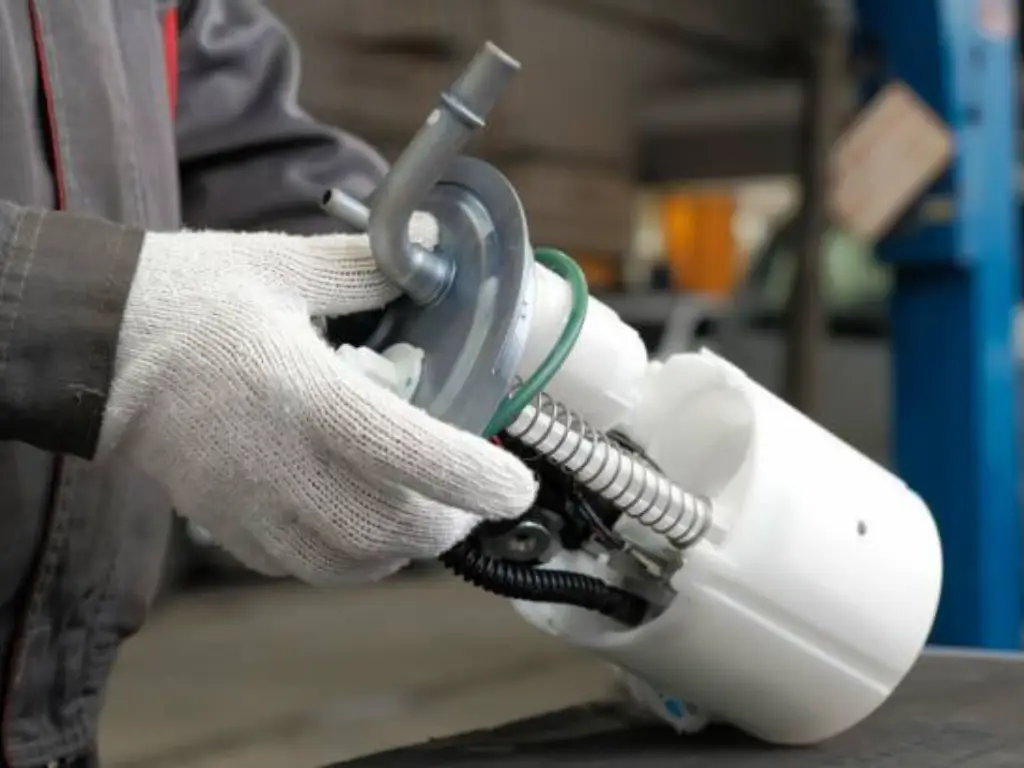
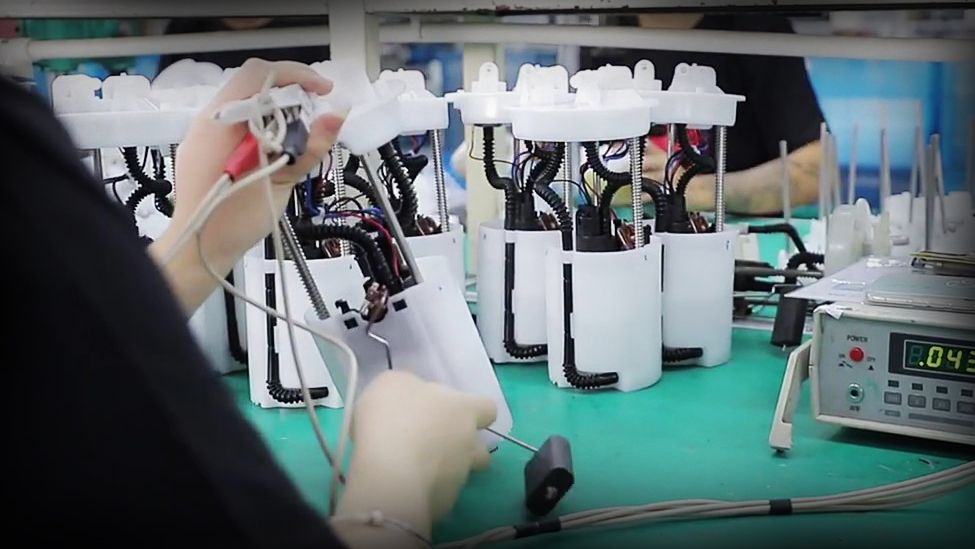
Hai mai notato come anche le parti più piccole di un'auto, come i sensori di ossigeno, può fare un'enorme differenza nel modo in cui funziona? Questi minuscoli componenti controllano le emissioni e l’efficienza del carburante, assicurando che il tuo veicolo funzioni al meglio. Ma quando si tratta di sostituirli, spesso si pone il dibattito tra sensore di ossigeno OEM e aftermarket. Ognuno ha i suoi vantaggi, e sapere quale si adatta meglio alla tua auto può farti risparmiare tempo, soldi, e seccatura.
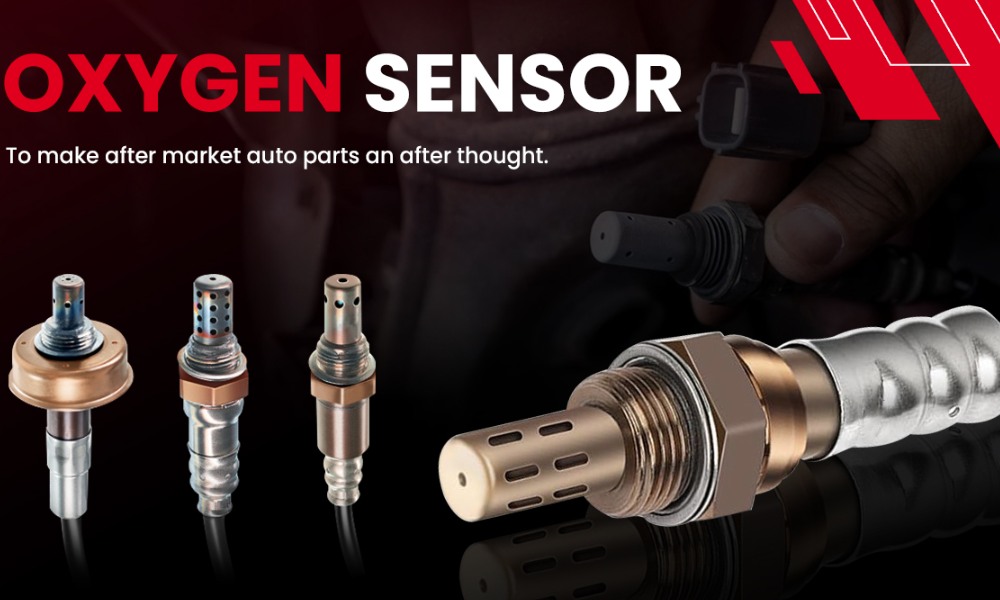
Che cos'è un sensore di ossigeno OEM?
UN Sensore di ossigeno OEM è un componente specializzato creato dal produttore dell'attrezzatura originale per adattarsi perfettamente alle specifiche del tuo veicolo. Questi sensori sono meticolosamente progettati per fornire dati precisi all'unità di controllo del motore (ECU), garantendo una miscela aria-carburante ottimale ed emissioni ridotte. Working with an OEM oxygen sensor manufacturer, carmakers guarantee the same performance and reliability as the original part, making OEM sensors a top choice for those prioritizing quality, longevity, and seamless integration.
What Is an Aftermarket Universal Oxygen Sensor?
Aftermarket universal oxygen sensors are designed for versatility, fitting multiple vehicle models with some adjustments. Manufactured by oxygen sensor factories, these sensors emphasize affordability and broad compatibility. While they lack the precise tailoring of OEM counterparts, their adaptability makes them an appealing option for cost-conscious users. Tuttavia, variations in design and quality among factories mean some universal sensors may require additional effort for installation or may not deliver the same durability and accuracy.
Aftermarket Universal Oxygen Sensor vs OEM: Qual è la differenza??
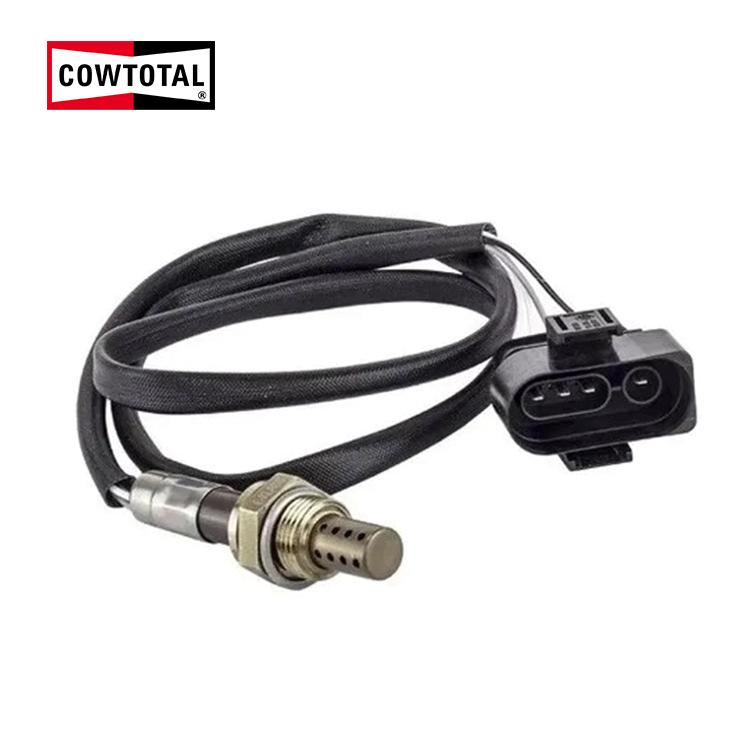
When it comes to oxygen sensors, choosing between aftermarket universal types and OEM options depends on several key factors. From fitment to cost, each aspect impacts your vehicle’s performance, maintenance, and long-term investment.
Fitment and Installation
OEM oxygen sensors are tailored for specific vehicle models, offering a precise fit that simplifies installation. Mechanics working with OEM parts often complete replacements in under an hour, reducing labor costs. Universal sensors, d'altra parte, may require additional wiring or adapters to function properly. A sedan owner who purchased a universal sensor for a 2015 model reported delays and higher installation costs due to incompatible connectors, underscoring the challenges of a generalized design.
Performance and Longevity
OEM sensors excel in delivering consistent and accurate data over time. Vehicles equipped with OEM sensors have been documented to maintain engine efficiency for 50,000–100,000 miles before needing replacements. Universal sensors, while functional, may experience wear faster due to their one-size-fits-all approach. Studies have shown that engines relying on lower-grade universal sensors often face misfires and irregular fuel consumption within two years, compromising vehicle performance.
Warranty and Support
Reputable oxygen sensor manufacturers often provide robust warranties for their OEM products, covering potential defects and offering customer support. A major auto brand offers a 12-month warranty on its OEM sensors, including free replacements for defective parts. Universal sensors typically come with limited or no warranties. Buyers of universal sensors from discount suppliers report difficulties in obtaining support, leaving vehicle owners without recourse in case of early failure.
Cost Comparison
The upfront cost of OEM oxygen sensors is higher, often ranging from $100–$300, reflecting their specialized design and quality. Universal sensors are significantly cheaper, with prices starting at $30. Tuttavia, hidden costs, such as additional labor for installation or frequent replacements, can diminish their appeal over time. A fleet operator shared that while universal sensors initially reduced expenses, the need for repeated replacements nearly doubled costs over five years compared to using OEM sensors.
OEM Oxygen Sensor vs Aftermarket: How to Choose?
Selecting the right oxygen sensor depends on a careful balance of your vehicle’s needs, come lo mantieni, e le tue considerazioni finanziarie. Ogni fattore gioca un ruolo cruciale nel determinare l’opzione migliore.
Requisiti del veicolo
La marca e il modello del tuo veicolo spesso determinano se un sensore OEM o aftermarket è la scelta migliore. Auto ad alte prestazioni o di lusso, come una BMW 5 Di serie o una Porsche 911, sono progettati con componenti di precisione che si basano su sensori OEM per un funzionamento senza interruzioni. L'installazione di un sensore universale in questi veicoli potrebbe causare problemi di compatibilità, provocando spie sul cruscotto o riduzione dell'efficienza del motore. Per modelli più vecchi o non specializzati, i sensori universali possono essere sufficienti senza compromettere i sistemi critici.
Abitudini di manutenzione
Le abitudini di manutenzione regolare influiscono in modo significativo sulla scelta del sensore. Proprietari di veicoli che aderiscono ai controlli di routine, come il cambio dell'olio e i test sulle emissioni, can make better use of aftermarket universal sensors, as these are monitored and replaced more frequently. Al contrario, if maintenance is sporadic or delayed, the reliability of OEM sensors becomes invaluable. Their longer lifespan ensures stable performance even with less frequent care, reducing the risk of costly repairs caused by undetected sensor failures.
Budget Constraints
Budget often sways the decision between OEM and aftermarket options. A single OEM oxygen sensor might cost $150–$300, making it a larger upfront expense. Tuttavia, its durability and precision often result in fewer replacements, ultimately lowering long-term costs. Universal sensors, priced between $30–$100, appeal to budget-conscious buyers but may incur hidden expenses, such as higher labor costs or quicker degradation. I proprietari di veicoli che mirano a risparmi a breve termine possono orientarsi verso sensori universali, mentre coloro che danno priorità alla longevità spesso investono in opzioni OEM.
Miti comuni sui sensori di ossigeno OEM e aftermarket
Idee sbagliate sui sensori di ossigeno OEM e aftermarket possono rendere difficile la scelta di quello giusto. Sfatiamo alcuni miti comuni e chiariamo cosa è vero quando si tratta di questi componenti essenziali.
I sensori OEM sono sempre migliori??
Mentre i sensori OEM sono progettati per una compatibilità precisa, non sono universalmente superiori in ogni situazione. Per veicoli con sistemi di emissioni più semplici, I sensori universali di alta qualità possono eguagliare le prestazioni OEM senza sacrificare l'affidabilità. Tuttavia, I sensori OEM eccellono nei motori avanzati o focalizzati sulle prestazioni in cui la precisione è fondamentale, come sistemi ibridi o motori turbocompressi.
Are OEM Sensors Too Expensive to Invest In?
The perception that OEM sensors are prohibitively expensive often overlooks their long-term value. An OEM sensor costing $200 can last upwards of 100,000 miglia, minimizing replacement frequency and preventing engine issues. Comparatively, replacing a $50 universal sensor multiple times over the same period may exceed the initial cost of the OEM option, particularly for vehicles with stricter emissions standards.
Does Universal Sensors Fit Any Vehicle?
Despite their “universal” label, these sensors do not automatically fit every vehicle. Compatibility depends on factors like connector type, wiring, and sensor placement. A universal sensor purchased for a 2010 Honda Accord, Per esempio, may require splicing or adapter kits to function correctly. Incorrect installations can lead to inaccurate data readings or engine warning lights, which negate their cost advantage.
Are Cheaper Sensors Just as Effective?
Lower-priced sensors may perform adequately for basic needs but often compromise on materials and durability. In alcuni casi, these sensors degrade quickly, leading to frequent replacements. Data from emissions testing has shown that lower-quality universal sensors may fail to meet EPA standards, causing vehicles to fail inspections. Investing in reputable sensors, whether OEM or aftermarket, ensures consistent performance and compliance.
Conclusione
The choice between an OEM oxygen sensor vs aftermarket option depends on your car’s needs, your budget, and how you maintain your vehicle. While OEM sensors offer precision and reliability, aftermarket options provide affordability and flexibility. Understanding these factors ensures your car runs smoothly and efficiently. Ready to find the perfect oxygen sensor for your vehicle? Make an informed decision today and give your car the care it deserves.
FAQ
Q1: Universal O2 Sensor vs. OEM: Which Is Better?
OEM sensors are better for precision and reliability, while universal sensors are ideal for budget-conscious users.
Q2: Does Oxygen Sensor Wholesale Supplier Provide OEM Service?
Many suppliers like COWTOTAL offer OEM services, ensuring factory-grade quality and fitment for specific vehicle models.
Q3: Does the Brand of Oxygen Sensor Matter?
SÌ, the brand influences quality and performance. Reputable manufacturers produce sensors with superior accuracy and durability.
Q4: Are Universal Oxygen Sensors Good?
Universal sensors are a cost-effective solution but may require additional installation work and have variable performance based on the manufacturer.