Las piezas de repuesto para automóviles se han convertido en una piedra angular de la industria del automóvil, ofreciendo alternativas asequibles y confiables a los fabricantes de equipos originales (OEM) regiones. Estas piezas están diseñadas y producidas por empresas de terceros., Brindar a los consumidores más opciones al reparar o mejorar sus vehículos.. El funcionamiento de una fábrica de repuestos para automóviles es una combinación fascinante de ingeniería de precisión, técnicas de fabricación avanzadas, y estricto control de calidad. Este artículo lo llevará a través del viaje desde el concepto hasta el producto terminado y explorará cómo estas fábricas desempeñan un papel vital en la industria..
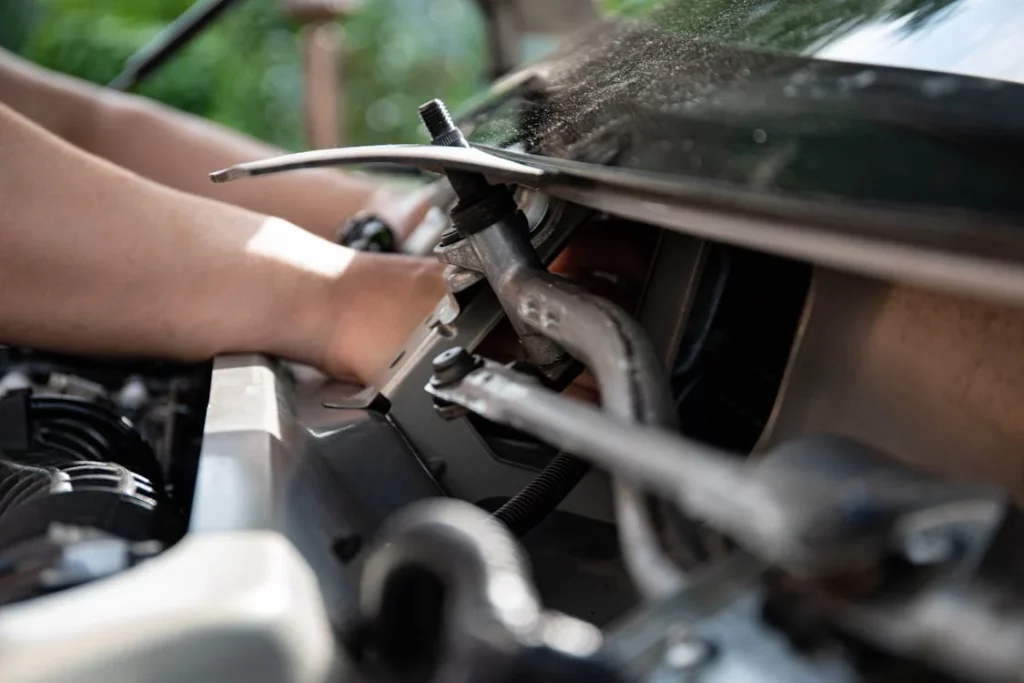
Descripción general del negocio de repuestos para automóviles
El negocio de repuestos para automóviles ofrece a los consumidores una amplia gama de componentes fuera de la cadena de suministro del fabricante original.. El núcleo de este modelo de negocio es simple pero expansivo.: crear, distribuir, y vender repuestos automotrices. Estas piezas sirven como alternativas rentables para reparaciones., reemplazos, y mejoras de vehículos. La industria del mercado de repuestos prospera gracias a la capacidad de proporcionar piezas de calidad a precios competitivos., Brindar a los propietarios de vehículos más opciones para mantener o mejorar sus automóviles..
El modelo de negocio del recambio de repuestos gira en torno a varios actores clave:
- Fabricantes: Estas son las fábricas responsables de diseñar y producir piezas de repuesto.. Se aseguran de que sus componentes coincidan con las especificaciones de las piezas OEM o, en algunos casos, ofrecer mejoras de rendimiento.
- Distribuidores: Companies that specialize in distributing aftermarket parts to retailers or directly to consumers. They play a significant role in ensuring that parts are available when and where they are needed.
- Minoristas: These businesses, whether online or brick-and-mortar, sell aftermarket parts directly to customers. They offer a wide selection, often catering to both professional mechanics and DIY enthusiasts.
- Mechanics and Installers: The professionals who install these parts also play a role in promoting aftermarket components, as they often suggest affordable options to car owners during repairs.
Role of Aftermarket Auto Parts Factory
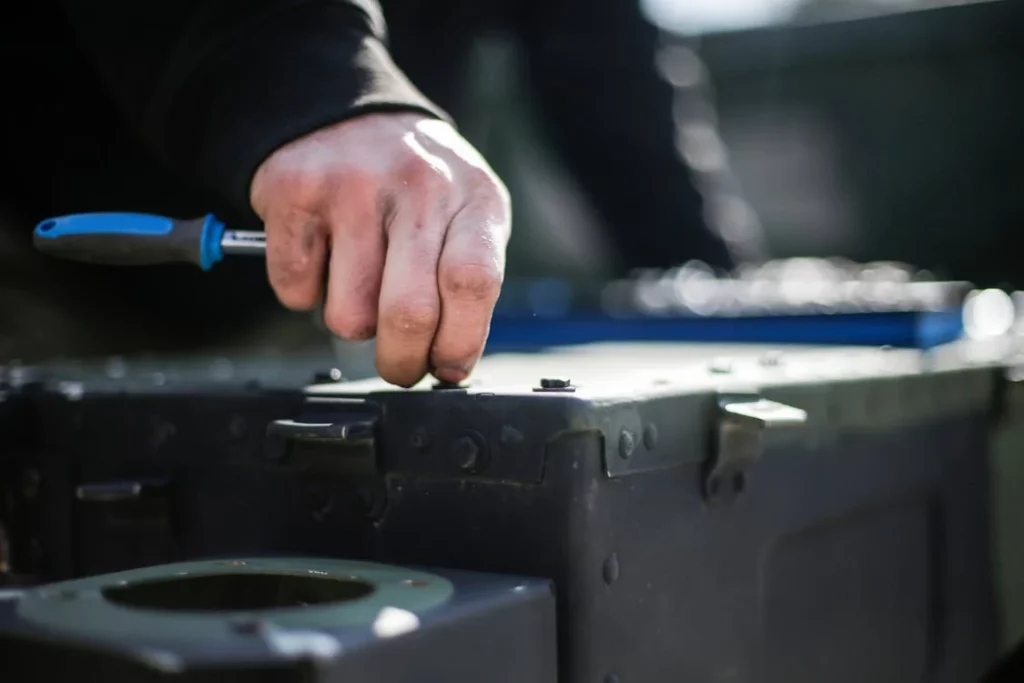
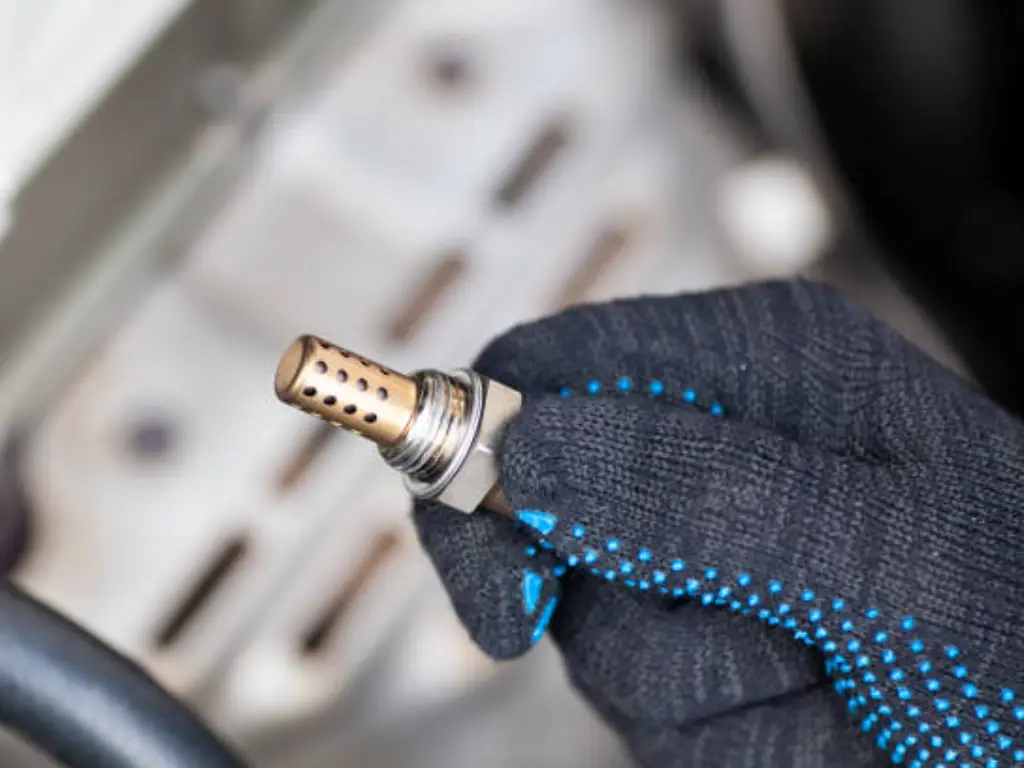
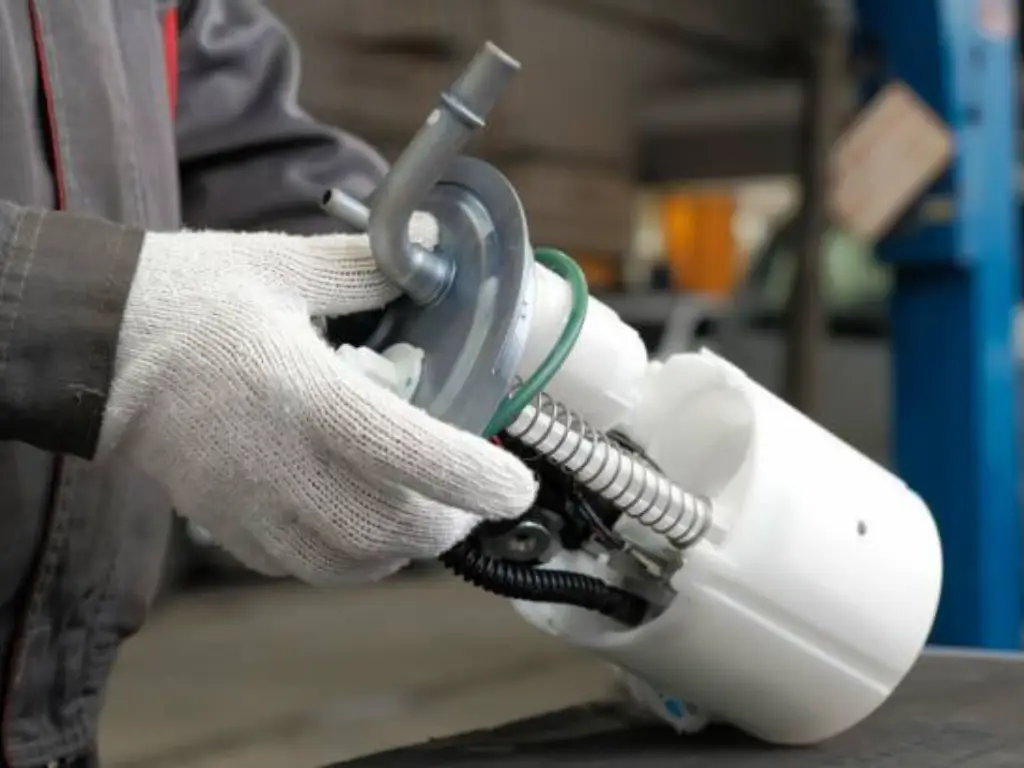
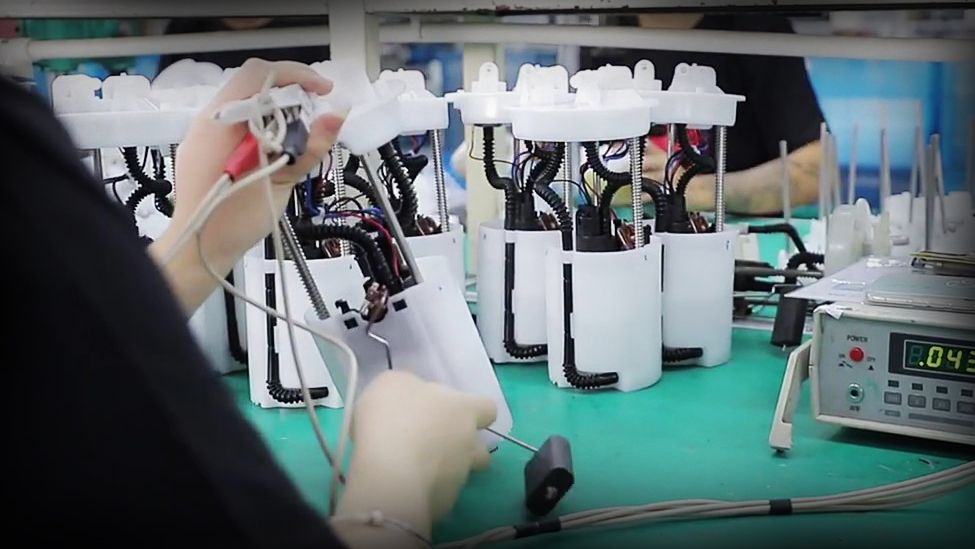
Aftermarket auto parts factories are responsible for producing OEM replacement car parts not made by the original car manufacturer. They focus on replicating or improving OEM parts at a lower cost. These factories design, manufacture, and test parts to ensure they meet industry standards and fit specific vehicles. They handle everything from sourcing raw materials to using machines like CNCs, molding presses, and casting tools to create parts. Quality control is a key part of their operations to ensure safety and durability. Factories also streamline production to keep costs low and meet demand.
How to Manufacture Aftermarket Auto Parts: Factory View
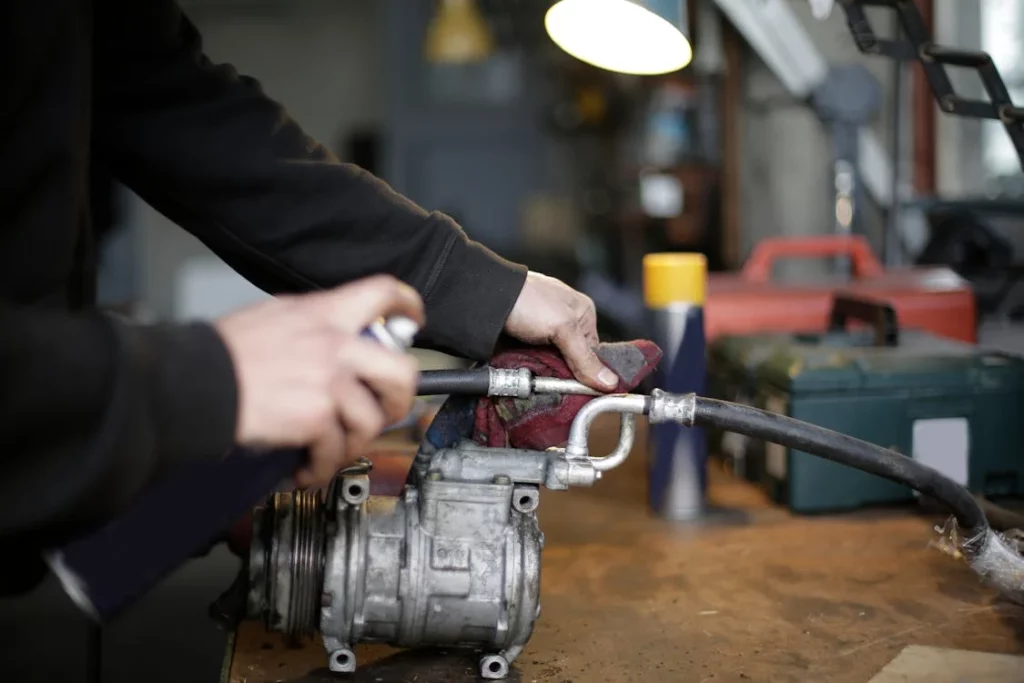
Aftermarket car parts manufacturing is a complex process that requires meticulous planning and execution. Let’s delve into how these factories operate and what makes their production process so essential to the automotive ecosystem.
Set Up the Factory: The First Step to Success
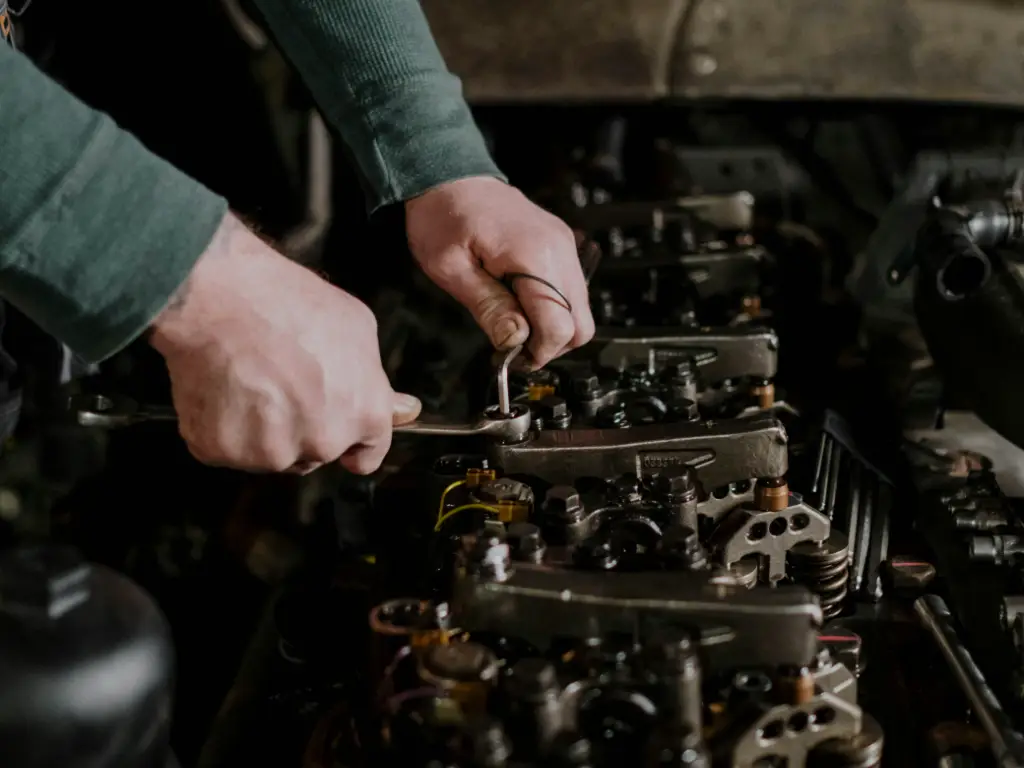
An aftermarket auto parts factory requires substantial investment in specialized machinery, equipment, y materiales. These machines are vital for cutting, shaping, and molding metal or plastic materials into the desired forms. Here are the major equipment used in the auto part manufacturing:
- CNC Machines: Computer-controlled machines used for cutting, shaping, and drilling parts with high precision. Essential for producing metal components like brake pads and suspension parts.
- Molding Presses: These machines are used to form plastic and rubber components by pressing heated materials into molds. Commonly used for making gaskets, seals, and other non-metal parts.
- Casting Tools: Equipment used to pour molten metal into molds to create metal parts like engine components and exhaust systems. Vital for high-volume production of durable parts.
- Injection Molding Machines: Used for producing plastic parts by injecting molten plastic into molds. Often employed for making items like bumpers, dashboards, and small plastic components.
- Welding Stations: Used to join metal parts together through various welding techniques. Commonly used in assembling structural components like frames and exhaust systems.
- Heat Treatment Ovens: These are used to harden or temper metal parts, improving their strength and durability. Crucial for parts like gears and shafts that require high resistance to wear.
- Raw Materials: Factories source high-grade metals like steel and aluminum for durability, and plastics or rubber for flexibility and resistance. These materials are essential for producing both metal and non-metal parts.
Design and Prototype: Bring Concepts to Life
CAD (Computer-Aided Design) is used to create precise digital designs of auto parts. Engineers input measurements and specifications to ensure the part meets vehicle requirements. This software helps refine the design before production begins. After CAD design, 3D modeling is used to produce a physical prototype. This allows manufacturers to test the part for fit and performance, making adjustments if needed before mass production.
Fitment refers to how well a part fits on a specific vehicle. Factories use fitment data to ensure the part is compatible with different makes and models. Accurate fitment data prevents installation issues and ensures the part performs as expected. This data is crucial for producing reliable aftermarket parts that match OEM standards.
Proceso de fabricación: Step-by-step
The manufacturing process for aftermarket auto parts begins with casting, where molten metal is poured into molds to create components like engine parts and brake discs. After casting, molding shapes materials like plastic and rubber into forms such as gaskets and seals, using injection molding for precise, high-volume production. Following molding, machining (with CNC machines) is employed to cut, drill, and refine parts to exact specifications, ensuring they meet the necessary tolerances for performance and fit. Además, techniques like forging (where metal is heated) y welding (which joins metal components together) Se utilizan para mejorar la resistencia y complejidad de las piezas., creando conjuntos y componentes estructurales robustos.f piezas, creación de conjuntos y componentes estructurales robustos.
Control de calidad
El control de calidad en la fabricación de repuestos para automóviles implica varios métodos para garantizar que las piezas cumplan con los estándares de rendimiento y seguridad.. Estas medidas integrales ayudan a mantener altos estándares y garantizar que los productos finales sean seguros y eficaces para su uso..
- Inspecciones visuales: Verificar defectos obvios o inconsistencias en la apariencia de las piezas..
- Pruebas dimensionales: Mida las piezas según las especificaciones para garantizar que estén dentro de las tolerancias requeridas..
- Pruebas no destructivas: Utilice métodos como la inspección por rayos X y las pruebas ultrasónicas para detectar defectos internos sin dañar las piezas..
- Prueba funcional: Assess how parts perform under real-world conditions to ensure reliability and durability.
- Fatigue Testing: Simulate long-term use to evaluate the part’s endurance and strength.
- Stress Testing: Apply extreme conditions to test the part’s ability to withstand high levels of stress.
Packaging and Labeling
Packaging and labeling are crucial steps in preparing aftermarket auto parts for distribution. Packaging involves using robust materials to shield parts from damage during shipping. This includes custom-fit boxes and protective wraps to prevent scratches and dents. Labeling provides essential details such as part numbers, vehicle compatibility, and installation instructions, often supplemented with barcodes or QR codes for inventory management and easy identification.
Además, instructions and warnings are included to guide proper installation and ensure safety. Branding elements, such as company logos and product names, are featured prominently on the packaging to aid in marketing and customer recognition. Some manufacturers also implement environmental considerations by choosing eco-friendly packaging materials and practices to minimize their ecological footprint.
Who Manufactures Aftermarket Parts? 5 Aftermarket Auto Parts Factories Intro
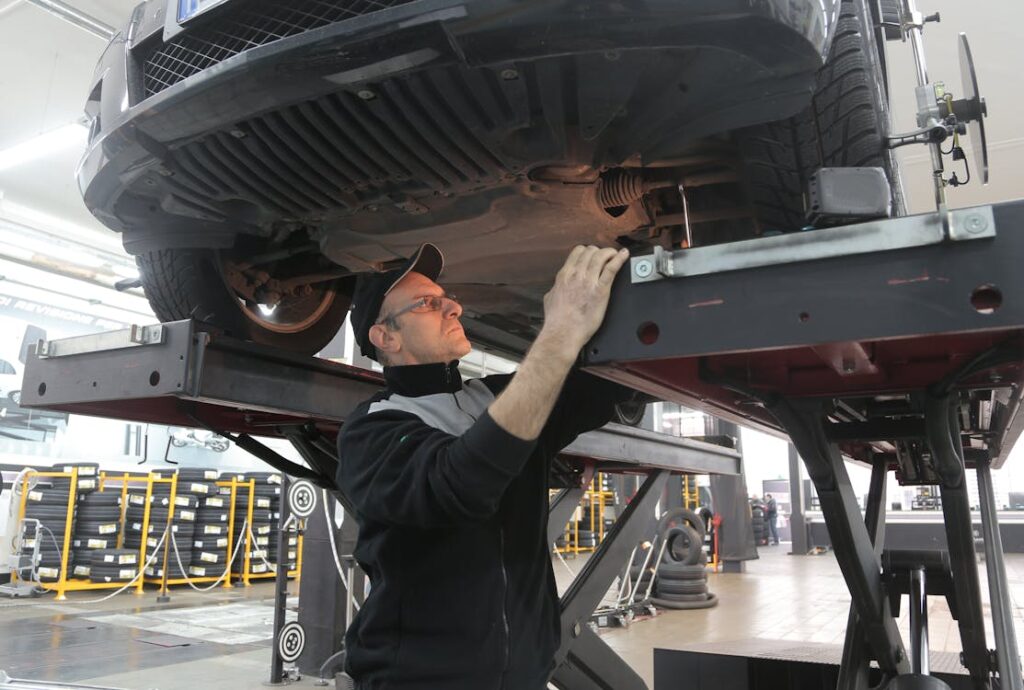
Aftermarket auto parts are populated by numerous leading manufacturers, each contributing to the industry with high-quality components. Here are five of the best aftermarket car parts manufacturers that stand out in the field:
#1 COWTOTAL
Recognized as a top player in China’s auto parts industry with global reach, COWTOTAL offers a comprehensive range of aftermarket auto parts with low MOQs, expert brand-building support, and extensive experience. They have 40,000 SKU, an 8,000㎡ warehouse, y 15 Años de experiencia de exportación. Más, they provide services like sourcing, branding support, y logística, with a focus on quality assurance. They cater to various business types including international agents, retailers, and wholesalers, and provide customization services for packaging and logos.
#2 FMP
Factory Motor Parts (FMP), establecido en 1945, has expanded from a single location to over 300 ubicaciones en todo 35 estados. Originally part of the Chrysler Mopar Distribution network, FMP serves various automotive aftermarket needs, including dealerships, fleets, retailers, and independent service centers. The company is headquartered in Eagan, MN, and offers various services such as battery programs, online ordering, and fleet supply chain solutions. FMP se enorgullece de sus asociaciones con marcas de renombre y de su compromiso de superar las necesidades de los clientes..
#3 LKQ Corp.
Corporación LKQ, establecido en 1998, es un proveedor líder de alternativas, especialidad, salvar, y autopartes recicladas con operaciones globales en América del Norte, Europa, y Taiwán. La empresa ofrece una amplia gama de repuestos., incluyendo motores y transmisiones remanufacturados. LKQ se ha expandido a través de numerosas adquisiciones y presta servicios a diversos mercados con un enfoque en la sostenibilidad y el servicio al cliente.. Opera con más 45,000 empleados en todo 1,600 ubicaciones y ha recibido elogios por ser una empresa responsable y un excelente lugar de trabajo.
#4 La casa de piezas
TPH ofrece programas de almacenamiento competitivos para diversas autopartes y un sistema de pedidos en línea accesible 24/7. El sistema requiere una capacitación mínima y permite a los usuarios verificar precios y disponibilidad en múltiples sucursales.. TPH también ofrece una amplia formación para los técnicos., tanto presencial como online, y apoya a los centros de servicio con el programa Parts Plus Car Care Center, que ofrece varias características de crecimiento empresarial.
#5 Comprar autopartes
Como tienda online de autopartes, BuyAutoParts se destaca en la entrega rápida de autopartes con envío gratuito en pedidos superiores a $99 y un año de garantía en todos los artículos. Garantizan que las piezas encajen exactamente y ofrecen devoluciones sencillas en un plazo 60 días. Con una historia que se remonta a 1989, Proporcionan una amplia gama de repuestos y accesorios para automóviles., respaldado por un sistema de pedidos en línea fácil de usar. Su programa de membresía profesional ofrece descuentos y beneficios adicionales., convirtiéndolos en una opción líder para autopartes en línea.
Conclusión
The operation of an aftermarket auto parts factory is a finely tuned process that requires a blend of innovation, precision, y estricto control de calidad. These factories are pivotal in providing consumers with cost-effective alternatives to OEM parts, ensuring that vehicles remain in top condition without breaking the bank. As demand for aftermarket parts continues to grow, the industry will no doubt see further advancements in technology and production efficiency, driving the future of automotive repairs and upgrades.
Preguntas más frecuentes
Q1: Where are OEM parts made?
OEM parts are manufactured by the original equipment manufacturer, typically in specialized factories that work directly with automotive brands. These factories are often located near automotive production plants to streamline the supply chain.
Q2: Where are most car parts manufactured?
The majority of car parts are manufactured in countries with strong industrial bases, such as China, the United States, Alemania, and Japan. These countries have the infrastructure and skilled labor needed to produce both OEM and aftermarket parts.
Q3: Who is the largest auto parts supplier in North America?
The largest auto parts supplier in North America is Magna International, a Canadian company known for producing a wide range of parts, including seating systems, body structures, and powertrains for major automakers. The COWTOTAL is the second performer who produces aftermarket car parts.