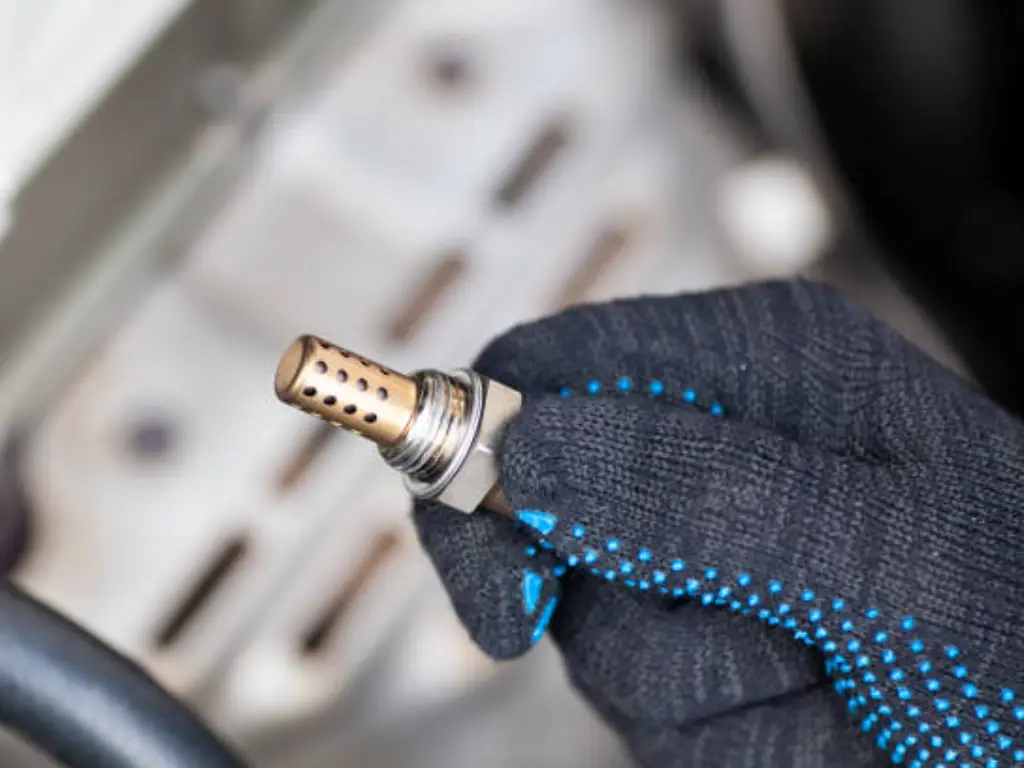
Bunu sık sık düşünmeyebilirsin, ancak aracınızın oksijen sensörü günlük performansında önemli bir rol oynar. Aracınızın verimli çalışmasını sağlamaktan zararlı emisyonları azaltmaya kadar, bu sensörler her şeyin sorunsuz çalışmasını sağlamaya yardımcı olur. Peki oksijen sensörünün işlevi tam olarak nedir?? Bu sensörlerin nasıl çalıştığını ve aracınızın sağlığı için neden hayati önem taşıdığını daha derinlemesine inceleyelim..
Oksijen Sensörü Nedir?: 2 Açıklanan Türler
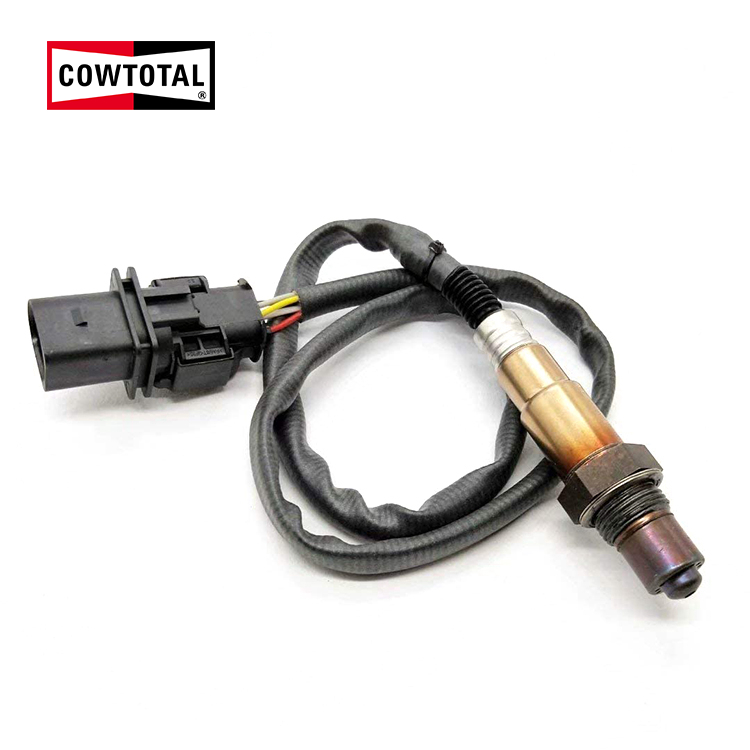
Arabalardaki O2 sensörleri nelerdir?? Bu temel bileşenler, egzozdaki oksijen seviyelerini ölçerek aracın motor performansının izlenmesine ve kontrol edilmesine yardımcı olur.. Yaygın olarak kullanılan iki ana tip oksijen sensörü vardır.: dar bant ve geniş bant. Each type plays a unique role in helping the engine control unit (ECU) regulate the air-fuel mixture for optimal performance and efficiency. Let’s explore the differences between these two types of sensors.
Narrowband
Narrowband oxygen sensors are designed to monitor the air-fuel ratio in a relatively limited range. Typically found in older vehicles, these sensors provide basic feedback to the engine control unit (ECU) by signaling whether the mixture is rich (çok fazla yakıt) or lean (çok az yakıt). The narrowband sensor operates within a voltage range of 0.1 ile 0.9 volt, fluctuating as it detects changes in oxygen levels in the exhaust. While not as precise as a wideband sensor, it serves its purpose in maintaining a rough balance for fuel efficiency and emissions control.
Wideband
Wideband oxygen sensors are more advanced and provide a wider range of oxygen measurements, allowing for more precise control over the air-fuel ratio. Unlike narrowband sensors, which only signal rich or lean mixtures, wideband sensors give continuous, accurate data about oxygen levels throughout the exhaust gases. This allows the ECU to make finer adjustments to the fuel injection system, enhancing fuel efficiency, engine performance, and reducing harmful emissions. These sensors are typically found in newer vehicles that demand more precise engine management systems.
How an Oxygen Sensor Works
The oksijen sensörü works by comparing the oxygen content in the exhaust gases to the oxygen content in the outside air. The science behind this sensing process lies in the materials used in the sensor itself: Zirconia and Titania. These materials allow the sensor to create an electrical signal based on the difference in oxygen concentration between the exhaust and the outside air.
Zirconia Sensors
Zirconia oxygen sensors are the most common and work by utilizing a ceramic material that reacts with oxygen. When the sensor is exposed to exhaust gases, the zirconia element creates a voltage signal that corresponds to the amount of oxygen in the gases. This voltage is then sent to the ECU, which adjusts the fuel-to-air ratio accordingly. The more oxygen in the exhaust, the lower the voltage; less oxygen results in a higher voltage. This allows the engine management system to maintain an optimal mixture.
Titania Sensors
Titania sensors, though less common than zirconia, are sometimes used in applications requiring a faster response time. Unlike zirconia sensors, which generate a voltage based on oxygen concentration, titania sensors change their resistance when exposed to varying oxygen levels. The ECU interprets this change in resistance to adjust fuel delivery. Titania sensors are often used in modern vehicles to support improved emissions standards.
What Is the Function of Oxygen Sensor in a Car?
The function of oxygen sensors in a car is multi-faceted, as they are integral to both engine performance and emissions control. In essence, these sensors monitor and manage the engine’s air-fuel ratio, ensuring that the engine operates efficiently while minimizing environmental impact.
Monitor Air-Fuel Ratio
One of the primary functions of an oxygen sensor is to monitor the air-fuel ratio within the engine. By detecting the oxygen level in the exhaust, the sensor provides feedback to the ECU, which adjusts the amount of fuel injected into the combustion chamber. A balanced air-fuel ratio is critical for achieving optimal engine performance, güç çıkışı, ve yakıt verimliliği.
Enhance Fuel Economy
Another vital function of the oxygen sensor is its role in improving fuel economy. By constantly adjusting the air-fuel mixture for optimal combustion, the sensor ensures that the engine uses fuel more efficiently. This results in less fuel consumption for the same output, contributing to reduced fuel costs over time.
Reduce Harmful Emissions
The oxygen sensor also plays a key role in reducing harmful emissions. By monitoring the air-fuel ratio and ensuring efficient combustion, the sensor helps reduce the production of pollutants such as carbon monoxide (CO), hydrocarbons (HC), and nitrogen oxides (NOx). This function is essential for meeting stringent environmental regulations and improving air quality.
What Are Symptoms of a Faulty Oxygen Sensor?
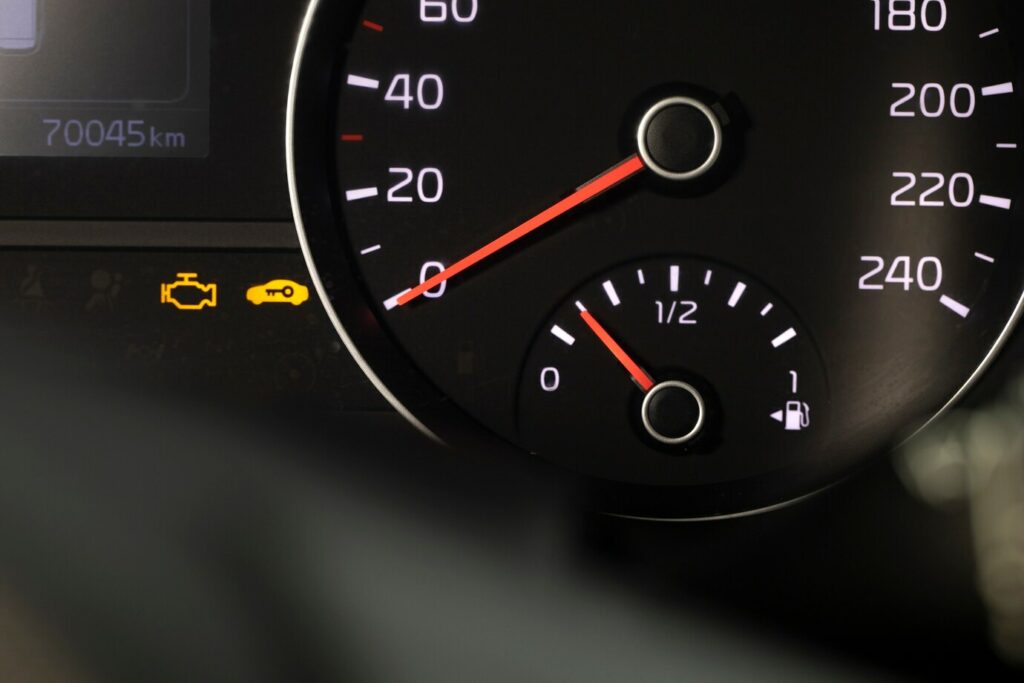
When an oxygen sensor becomes faulty, it can cause a variety of issues, including poor engine performance, Azaltılmış yakıt ekonomisi, ve artan emisyonlar. Common symptoms of a faulty oxygen sensor include:
- Illuminated Check Engine Light: A malfunctioning oxygen sensor will trigger the check engine light, alerting the driver to a potential issue.
- Poor Fuel Efficiency: Sensör doğru veri sağlamıyorsa, the ECU may inject too much fuel into the engine, leading to decreased fuel economy.
- Rough Engine Idle or Misfires: A faulty sensor can result in erratic engine behavior, such as rough idling or engine misfires.
- Artan Emisyonlar: Arızalı bir oksijen sensörü normalden daha yüksek emisyonlara yol açabilir, bu da aracın emisyon testinde başarısız olmasına neden olabilir.
O2 Sensör Devresi Arızası Ne Demektir??
O2 sensörü devresi arızası tipik olarak elektrik bağlantısında veya oksijen sensöründen gelen sinyalde bir sorun olduğunu gösterir.. Bunun nedeni hasarlı kablolama olabilir, aşınmış konnektörler, veya hatalı bir sensörün kendisi. Devre arızalandığında, ECU doğru oksijen verilerini alamıyor, Yanlış yakıt yönetimine yol açan ve, sonunda, motor performansı sorunları. Bir teşhis sorun kodu (DTC) genellikle aracın yerleşik bilgisayarında saklanır, Sorunu tam olarak belirlemek için bir tarama aracı kullanılarak bu bilgilere ulaşılabilir.
Oksijen Sensörlerinin Bakımı ve Değiştirilmesi?
Oksijen sensörlerinin işlevi, aracınızın performansını korumak ve emisyonları azaltmak için kritik öneme sahiptir. Mesai, bu sensörler yüksek sıcaklıklara maruz kalma nedeniyle aşınabilir, kirleticiler, veya genel yaşlanma. Düzenli bakım ve zamanında değiştirme, verimli çalışmaya devam etmelerini sağlamanın anahtarıdır. Oksijen sensörlerinizin bakımını ve değiştirilmesini nasıl yapacağınız aşağıda açıklanmıştır.
Bakım İpuçları
- Egzoz Sızıntılarını Kontrol Edin: Küçük egzoz sızıntıları oksijen sensöründen yanlış okumalara yol açabilir. Egzoz sisteminizi, sensörün doğruluğunu etkileyebilecek herhangi bir çatlak veya delik açısından düzenli olarak inceleyin.
- Düzenli Motor Ayarlamaları: Rutin bakımla motorunuzun sorunsuz çalışmasını sağlayın, hava filtresinin değiştirilmesi ve aşınmış yakıt enjektörlerinin değiştirilmesi gibi. Bu, oksijen sensörünün üzerindeki yükün azaltılmasına yardımcı olur ve ömrünü uzatabilir.
- Keep the Engine Temperature in Check: High temperatures can damage the oxygen sensor over time. Avoid overheating the engine by monitoring the coolant levels and ensuring the radiator is working efficiently.
- Avoid Contaminants: Keep fuel and exhaust systems clean. Contaminants like oil or antifreeze can poison the oxygen sensor, leading to false readings and premature failure.
Replacement Instructions
- Locate the Sensor: Oxygen sensors are typically located along the exhaust pipe, katalitik konvertörden önce veya sonra. Refer to your vehicle’s manual to find the exact location.
- Disconnect the Battery: Before removing the sensor, disconnect the vehicle’s battery to avoid electrical shock and to prevent triggering error codes.
- Remove the Faulty Sensor: Use a wrench or specialized oxygen sensor socket to carefully unscrew and remove the old sensor. Yeninin doğru yerleştirilmesi için sensörün konumuna dikkat edin.
- Yeni Sensörü Kurun: Yeni sensörü yerine takın, güvenli bir şekilde sıkıldığından ancak aşırı sıkılmadığından emin olun. Elektrik konnektörünü yeniden bağlayın.
- Pili Yeniden Bağlayın: Yeni sensörü taktıktan sonra, pili yeniden bağlayın ve bir OBD-II tarayıcı kullanarak hata kodlarını silin. Sensörün doğru çalıştığından emin olmak için aracı test sürüşüne çıkarın.
Çözüm
Kısacası, Oksijen sensörünün işlevinin ne olduğu konusunda ustalık, dengeli bir hava-yakıt oranının korunmasına yardımcı olur, Yakıt verimliliğini artırın, emisyonları en aza indirmek, ve motorunuzu hasarlardan koruyun. Performans veya yakıt ekonomisiyle ilgili sorunlar fark ediyorsanız, oksijen sensörünüzü kontrol etmenin zamanı gelmiş olabilir. Düzenli bakım, aracınızın yıllar boyu en iyi durumda kalmasını sağlayabilir.